
Big Food’s Brand Strategy Problem 2.0

Back in the fall of 2018, we published what remains one of our most popular articles to date – Big Food’s Brand Strategy Problem. The article came out in a time before the COVID-19 pandemic, before tariffs between the United States and Canada, before weight-loss drugs were reducing consumer cravings, and before front-of-pack nutrition label laws were being widely discussed (and implemented).
Now, with more options for shoppers than ever before and an always-increasing desire for quality and affordability, our 2018 article’s main thesis rings true: “big food brands must embrace change to remain relevant.” However, as the Wall Street Journal recently pointed out, “startups are eating big food’s lunch” by capturing much of the growth in the packaged foods category.
So, what can legacy brands do to stay relevant and drive growth? Let’s take a look at Big Food’s 2026 brand strategy problem and some steps to ensure your brand doesn’t get left behind.
Playing Catch-Up
Though start-ups and disruptor brands may not have the resources that the Big Food brands benefit from, they do have the nimbleness to ensure their products and messaging are relevant to today’s consumer.
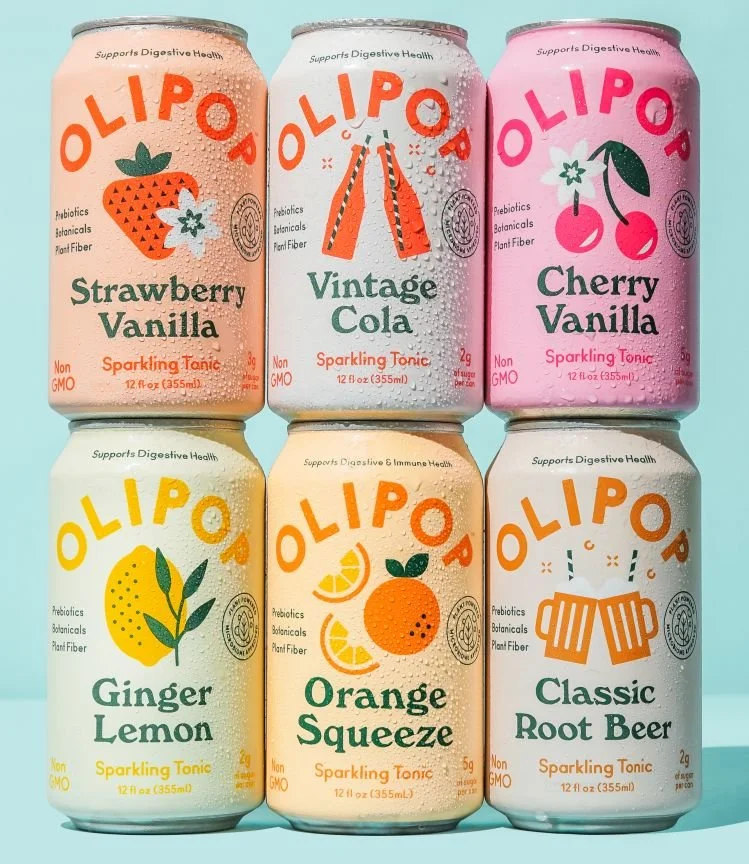
Image Source: FoodNavigator USA
Take the better-for-you soft drink category as an example. Brands like Olipop have positioned themselves as “a new kind of soda” focused on digestive health instead of sugary fizziness. Olipop is now valued at $1.85 billion, and it was only a matter of time before traditional soda manufacturers hopped on the prebiotic, better-for-you craze.
PepsiCo has taken two approaches to competing with challenger brands that are eating away at market share. First, they made the strategic acquisition of Poppi (a method that many Big Food brands are using to diversify their portfolios), and then they launched their own BFY soda – Pepsi Prebiotic Cola. In the press release announcing the new product, Ram Krishnan, CEO, PepsiCo Beverages U.S, acknowledged the need to evolve, stating that the innovation is “designed to meet changing consumer preferences for more functional ingredients in their cola experience.”
While PepsiCo hopes that they can translate the affinity that consumers have with their brand to a successful launch of their new BFY products, others have stated that the innovation feels “more like a defensive ‘me-too’-type product,” which will struggle to attract discerning shoppers. Time will tell whether Pepsi Prebiotic Cola is successful or not, but there is no denying that Pepsi is playing catch-up and will have to win over consumers looking for BFY soda options.
Lacking Emotional and Functional Resonance
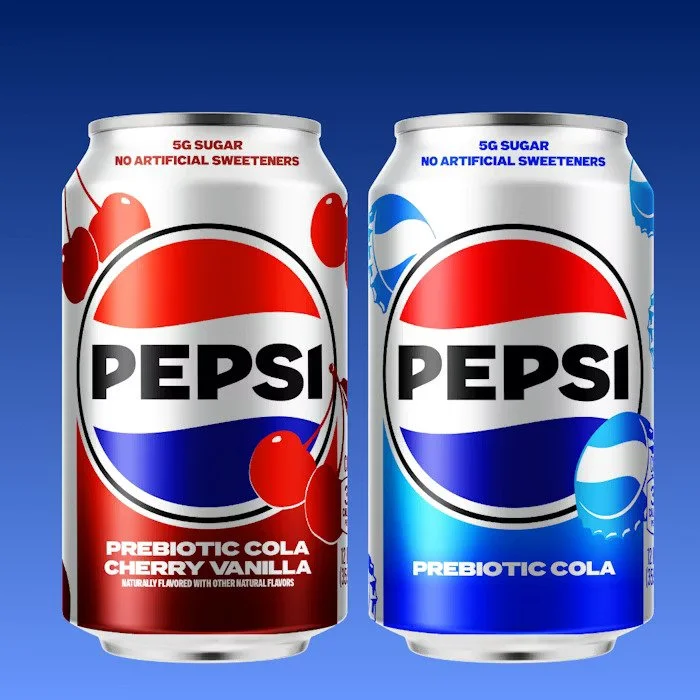
Image Source: Perfumer & Flavorist